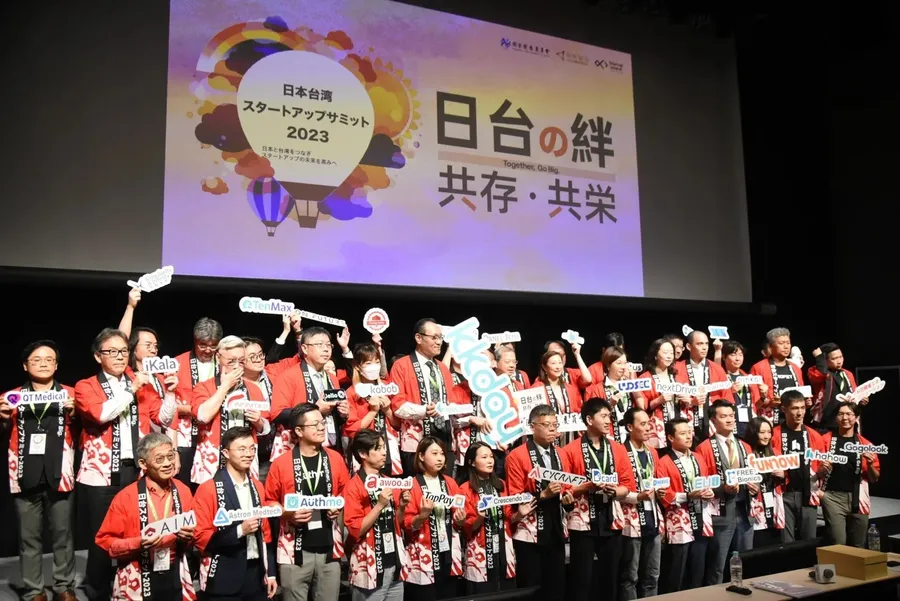
The national startup brand, Startup Island TAIWAN, hosted the second “Together, Go Big” Japan-Taiwan Startup Summit this month. The summit brought 41 Taiwanese startups to Shibuya, Tokyo, including TapPay, KKday, FunNow, EUi, Gogolook, CyCraft, Cubo AI, and iKala. Taiwan’s Minister of National Development Council, Kung Ming-hsin, Japan’s former Minister of Economy, Kōichi Hagiuda (萩生田光一), and the founder of Headline Asia, Akio Tanaka (田中章雄), also attended the summit, paying close attention to the synergy of startups from these two regions.
The Japanese government designated 2022 as the “first year of startup development,” aiming to establish 100 unicorns and 100,000 startups by 2027. The goal is to turn Japan into one of the world's leading centers for startup development, said Kōichi Hagiuda at the summit on September 14.
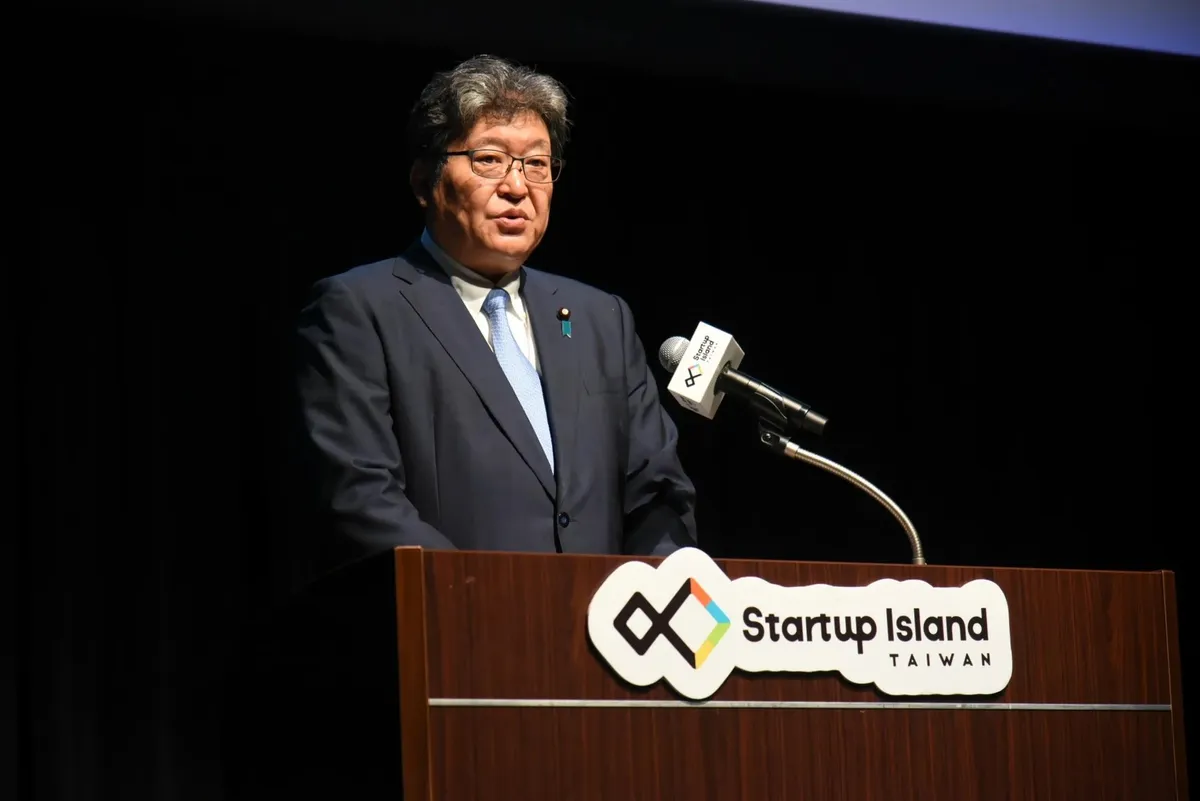
Kōichi Hagiuda, Japan’s former Minister of Economy.Image Credits: Meet
Both Taiwanese and Japanese startups are striving to position themselves on the international stage and pursue opportunities in the global market. With this shared goal, the two sides can learn from and collaborate with each other, according to Akio Tanaka.
“My first investment in Taiwan was KKBOX. It was then that I realized Taiwanese startups have the capability to venture into the international market,” said Tanaka. In his speech, the Headline Asia founder also highlighted Appier and 17LIVE as examples of Taiwanese startups conquering the Japanese market through technological prowess and innovation.
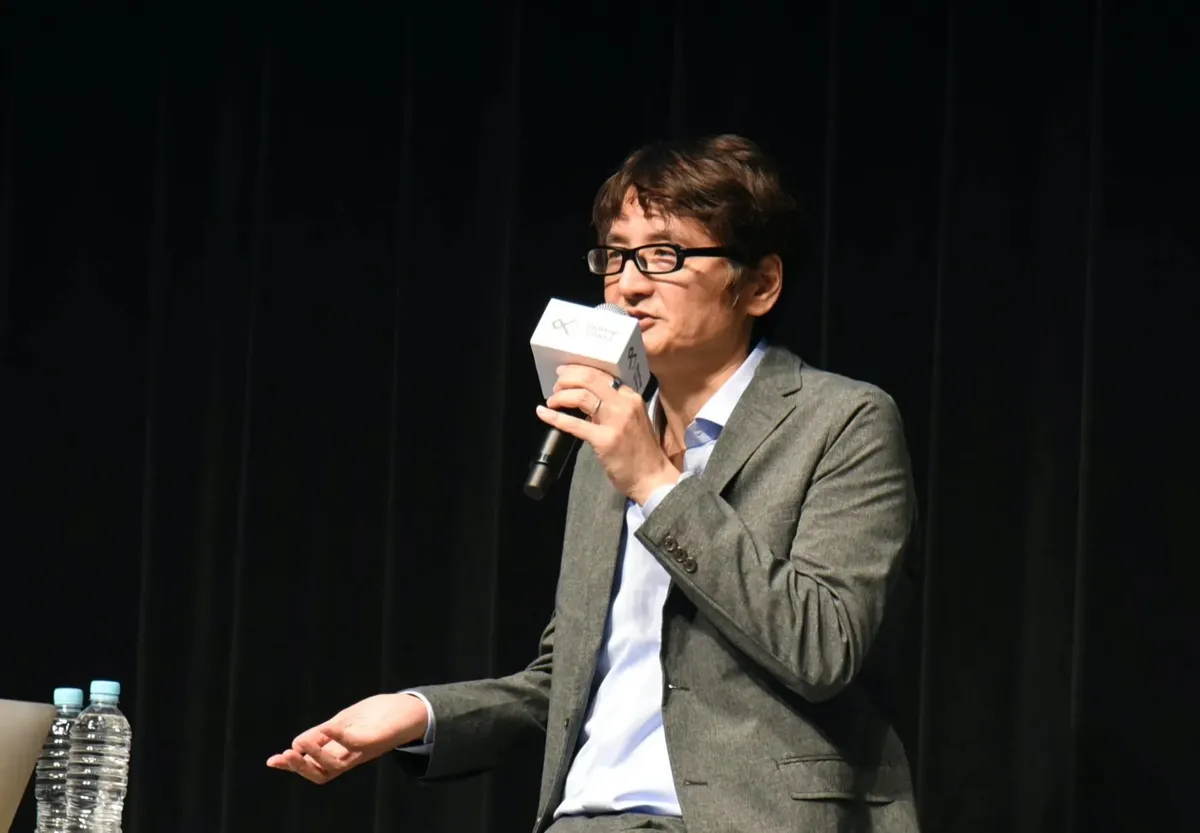
Akio Tanaka, founder of Headline Asia.Image Credits: Meet
Earlier than most Taiwanese startups, in 2010, KKBOX drew the attention of Japan’s second-largest telecom company, KDDI. This led to a series of collaborative products and services. KDDI later acquired 76% of KKBOX’s shares, further deepening their partnership.
Similarly, the MarTech company Appier set up its Tokyo branch in 2014 and acquired a Tokyo-based AI company within 5 years. Appier has completed its IPO and made its debut on the Tokyo Stock Exchange Mothers Section in 2021.
In another success story, the live-streaming platform 17LIVE ventured into the Japanese market in 2017 and the app was downloaded by a million users within half a year. Since then, it has become the most widely-used live-streaming service in the country.
“Taiwanese startups boast strong tech talents and an advantage in English proficiency, something Japanese startups lack. Taiwan should seize this opportunity,” suggested Akio Tanako.
“Over the past year, we have been delighted to see collaborations between Taiwanese startups and Japanese government and companies,” said Kung Ming-hsin.
Whoscall, a caller identification app developed by Gogolook, collaborated with the Shibuya City government to prevent scams. With its Japanese branch based in Shibuya, Gogolook provided 300 accounts with free access to its advanced service for local residents and enterprises.
Meanwhile, KKDay partnered with the shrine “Nikkō Tōshō-gū,” a UNESCO World Heritage Site in Tochigi Prefecture, to enhance user experience and streamline employees' workflow through digital transformation. Additionally, CyCraft teamed up with Japanese IT provider ITFOR to offer cybersecurity systems. These partnerships are prime examples of active exchanges between the two sides, according to Kung.
Kung Ming-hsin pointed out that Taiwan is actively supporting startups in emerging industries, including 5G, AI, precision medicine, and renewable energy, all of which harbor vast business opportunities in the future. It is crucial that Taiwan enhance its competitiveness in these areas to secure its position in the global supply chain, he said.
The collaboration between Taiwan and Japan will focus on three main areas: digital transformation (DX), green transformation (GX), and cybersecurity. Kung also shared the Taiwanese government’s experience in driving the growth of the startup ecosystem, such as empowering entrepreneurial talent, establishing comprehensive financing and exit strategies, and reforming tax measures to encourage corporate investments or acquisitions of startups.
Chan Fang-guan (詹方冠), the Director of the Department of Industrial Development of the National Development Council, added that if Japanese startups would like to test their business models overseas, they could consider Taiwan, given Taiwan’s advantage as a manufacturing and OEM hub. “Both sides can collaborate to jointly explore the third market.”
Kung Ming-hsin hopes that this year’s summit can push Taiwanese and Japanese startups to break market boundaries. He looks forward to enterprises from both sides working together to seize digital and financial opportunities in the Southeast Asian region.
“Taiwan and Japan together, go big. We hope to turn this slogan into reality,” said Mio Kawada, the Executive Vice President of Japan External Trade Organization (JETRO).
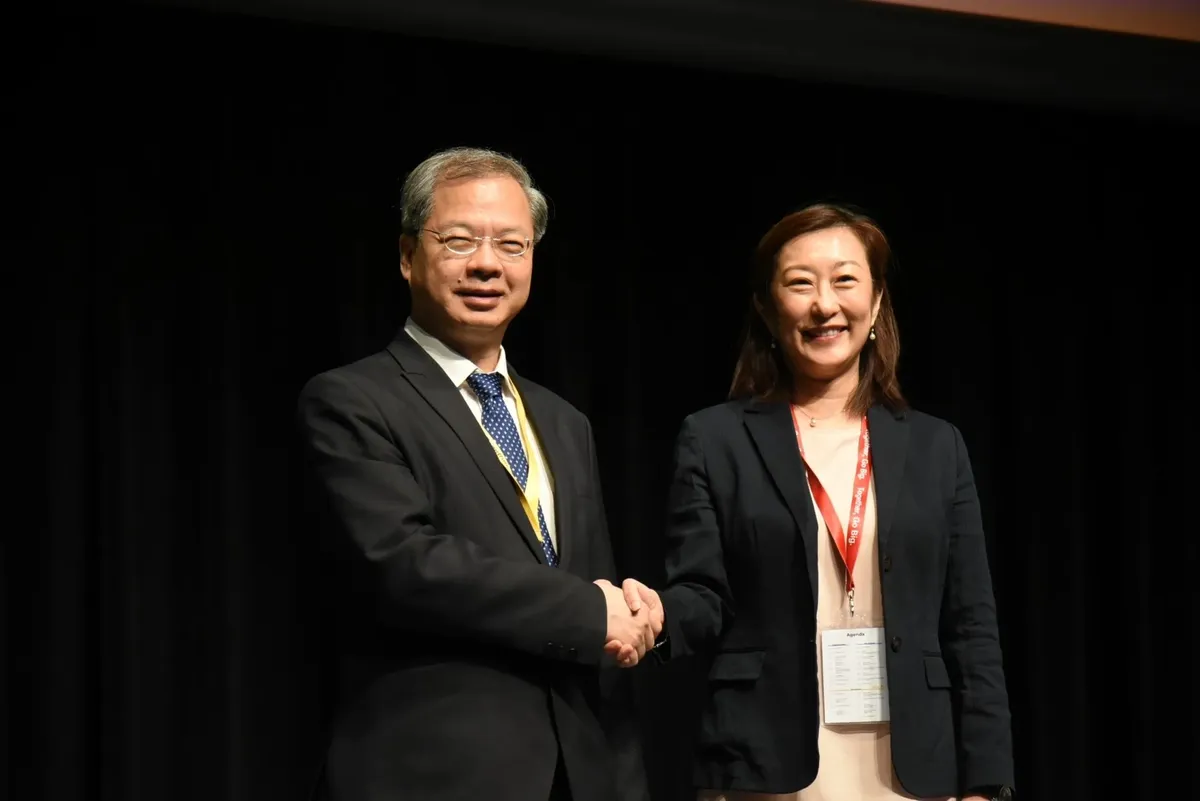
Taiwan’s Minister of National Development Council Kung Ming-hsin and Mio Kawada, the Executive Vice President of Japan External Trade Organization (JETRO).Image Credits: Meet
The “Together, Go Big” Japan-Taiwan Startup Summit was not the sole exchange event fostering collaboration between the two sides. Earlier in June, the “Meet Trip Japan,” organized by the Meet Global Team of Business Next Media, took place in Tokyo and Kyoto. The three-day event connected 12 Taiwanese startups with prominent Japanese venture capitalists (VCs), media outlets, and local communities. In Tokyo, Taiwanese startups engaged with leading venture capitalists, including names like ASU Capital, DG Daiwa Ventures, and Mitsubishi UFJ Trust and Banking. In Kyoto, six startups presented their innovative ideas at IVS, Japan’s largest startup conference.
With the same vision, Meet Trip Japan and the Japan-Taiwan Startup Summit provided Taiwanese startups with abundant networking opportunities. These initiatives have further catalyzed collaborative growth within the Taiwanese and Japanese startup ecosystems.
 Top
Top